
Protein for Bone Health and Beyond
Your body contains about 500,000 proteins. They include hormones (e.g., insulin, growth hormone, and oxytocin). Others are structural, such as collagen and muscle fibrils. Proteins are so important for bones that bones contain about 200 different proteins. As I discuss in my book, Fracture-Proof Your Bones: Expanded and Updated Edition, the amount of protein someone consumes can account for 2-4% of bone mineral density.
Without enough protein and adequate exercise to build muscle and maintain bone health, bone and muscle loss occur. Sarcopenia is the progressive loss of muscle, strength, and function, which frequently occurs as people get older. When someone has fragile bones and sarcopenia together, it’s called osteosarcopenia. A 2018 study showed that when people with osteosarcopenia fracture a hip, their risk of dying within a year is 180% higher than that of people with bone loss alone.
One simple thing you can do to reduce your risk, and help you stay active and healthy long into your later years, is to make sure your muscles stay strong or make them stronger. To do that, you need two things: consume enough protein and exercise.
Older People Need More Protein
Consuming adequate protein is crucial for preventing and reversing sarcopenia. Unfortunately, most people aren’t getting enough. The US recommended daily amount (RDA) for protein is the same for everyone 18 years and older. But this one-size-fits-all recommendation is wrong.
We now know that as people get older, they need more protein, and that consuming only the amount recommended by the FDA can cause muscle wasting. Despite all the foods being marketed as high in protein and the Keto and Paleo diet crazes, most people aren’t eating enough.
While the RDA for protein is 0.8 g/kg body weight per day for men and women ages 18 and older, a controlled clinical trial found significant muscle wasting over three months in volunteers (mean age 66 years) consuming this amount of protein. Shockingly, muscle loss was detectable by the second week, indicating that following the RDA guideline for protein quickly increases muscle loss.
In contrast to the RDA, research suggests a minimum protein intake of 1.0 to 1.3 g/kg body weight per day for the elderly, plus resistance training, can prevent and reverse muscle loss, increase strength, and reduce the risk of falls and fractures. And other recommendations go as high as 2.0 g/kg body weight per day. Equally important, research shows that eating more than the minimum recommended amount of protein results in healthier bones with higher bone mineral density.
Calculate Your Amount
So what does this mean for you?
First, calculate how much protein you should be eating. Let’s use 1.3 g/kg body weight per day as a generally good amount. In the US, that’s hard for people to figure out since we weigh ourselves in pounds, not kilograms.
But there’s a simple conversion you can use to estimate the minimum amount of protein you should eat. Take your body weight in pounds and multiply it by 0.59. That’s about the number of grams of protein you should get each day through food or a dietary supplement if you need a little extra. For example, if you’re a woman who weighs 130 pounds, multiplying your weight by .59 equals 76.7. To make it easier, round up. Your protein goal would be 77 grams per day.
Now do this for yourself. Take your weight and multiply it by 0.59. That’s how much protein you should be consuming.
Whatever your amount, you’re probably not eating enough, but how do you know?
How Much Are You Eating?
Now that you’ve calculated your protein requirement, you’ll want to figure out how much protein you’re currently eating. This will give you a starting point and help you see where you are now compared to how much protein you should be eating.
To determine how much you’re eating now, follow these steps:
- Download and print the NBI Protein Handout.
- Write down everything you eat during the day.
- Use the handout to estimate how many grams of protein you ate.
Improve Your Diet
Once you know how much you’re eating compared to how much protein you should get, start adding more protein to your diet. Use the protein handout to continue tracking how much you’re eating until you reach your goal. While getting it from food is best, if you need a bit of help to reach your goal, supplement with a high-quality protein powder. Good protein powders provide about 20 grams of protein per serving.
When I’ve helped my patients transition to healthier eating, the protein handout helped them make sure they’re eating the right way. Once eating healthier becomes a habit, there’s no need to continue using the handouts or calculating how much you’re eating. And isn’t that the point? To develop healthy habits that are helping you reach your goal instead of following old, destructive ways of living that are slowly making you sick?
My book includes a chapter on diet. But diet is only one part of a holistic plan to improve bone density and maintain bone strength. Fracture-Proof Your Bones draws on two decades of my research, teaching, and clinical experience helping patients with a comprehensive approach. This book will teach you:
- How to FIND AND ELIMINATE hidden dangers that cause bone loss and weaken bones.
- How to CREATE a holistic plan using diet, lifestyle, exercise, and dietary supplements to protect your bones.
- How to TALK to your doctor about medications to make sure you get the best possible care.
If You Like This, You Might Also Enjoy
Top Alkaline Foods to Eat & Acid Foods to Avoid
How to Safely Take Dietary Supplements
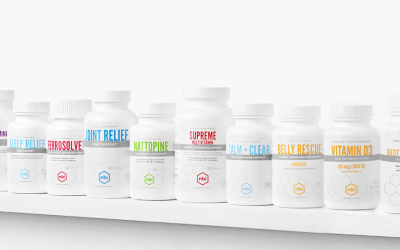
The popularity of dietary supplements has increased every year in America since the 1970s and today generates nearly $40 billion in annual sales. There’s no denying that supplements are mainstream, but research has shown that not all companies produce safe products. Learn how to safely choose and consume the highest quality supplements, how to correctly read labels, what dosages are optimal, and how to keep in mind which nutrients might be potentially toxic.

Top Nutrients for Brain Health
Over the next two decades, 20% of all Americans will be over 65 years old. That’s 72 million people, and the majority of those folks will live well into their 90s. Chronic diseases increase with age, including heart disease, depression, osteoporosis, and cancer. But one of the scariest declines of all to contemplate is losing your mind. Forgetting names, faces, your loved ones, or even how to cook and take care of your basic needs. Fortunately, nutrients have been shown in clinical trials to promote the brain, including significantly improving memory and mood.

How Probiotics Boost Immunity
Your gut is one of the most densely populated ecosystems on the planet. Probiotics—our friendly bacteria—play an important role in keeping your gut healthy and supporting a healthy immune system. The assortment of all the microorganisms that dwell on and inside our body is collectively known as the human microbiome. The research into our microbiome has exploded over the last couple of decades and has revolutionized the approach to health. One undisputed area that the microbiome affects is our immune system. Microbiome research shows the important role probiotics play in supporting a healthy immune response.